


"A household residing in north London seeks an extraordinary and experienced tutor to support their most junior child on his early path to turning into an English gentleman."
Upon seeing this listing, you might naturally skip the phrase "beginning" as mere figurative language.
Yet, it may be the crucial part of this distinctive position posting, as it aims to find a tutor for a infant.
Hundreds of submissions have already been submitted since the anonymous family published their request for the £180k-a-year tutor, who has to be "a uniquely qualified person".
Over the last few weeks, the listing has attracted notice throughout the press, with numerous questioning why?
Forward-Thinking Method
The CEO, head and founder of a global tutoring firm, which is assisting the family in their quest, explained that notwithstanding first doubt, he found the idea "forward-looking", and "advanced".
When he met the family, he said they understood the unusual aspect of their requirement, and how young their son is.
However, they explained that they "preferred not to postpone any longer" to hire a tutor, as they had postponed until their firstborn was five, and by that stage "cultural bias had already set in".
What exactly does the family mean by "cultural bias"?
It's "all-encompassing", Adam replied. "The way you eat, the manner you speak".
He stated the elder child had absorbed "very nuanced, unspoken signals" from the family, and had assumed their cultural habits. The family told the consultant they hoped to prevent the same situation to happen again with their infant.
The strategy: To bring in a British tutor, who must speak with Received Pronunciation, to shape the baby from the very start.
Osmotic Learning
"Much of the development at the start here is somewhat acquired indirectly," stated Adam.
It's by means of this subtle influence that the family are aiming the child will acquire the English characteristics they aim to instil.
Adam explained the tutor must be an individual who studied at "the right kinds of schools – comparable categories of schools as the family hope to send their son to".
"The instructor must be the right kind of person, they'll be doing things they may not realize they're doing, simply by nature," he said.
Money No Object
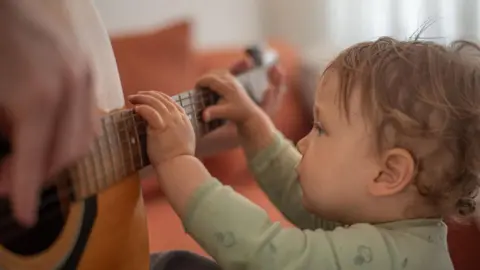
The family explained to Adam the successful candidate should ideally also have familiarity of or interest in riding, alpine skiing, artistic pursuits and instrumental training so as to influence the child in a wide range of passions.
More than that though, he explained the family desired the tutor to sign up the child on a selection of classes so the child would be "equestrian training and learning an tool by the time they are around three years old".
In the family's minds, helping their son develop into a "English gentleman" will lead to accomplishment and create opportunities.
"Considering the advantages and disadvantages of that, because it's certainly a class statement," he adds.
But, despite all this guidance in "Britishness", would the child absorb alleged cultural bias from the multicultural family he resides with anyway?
"Absolutely", answered Adam. "The parents realize this might not succeed, but they've just taken the view of, 'let's give it a go and we'll proceed as soon as we can', because the expense of it is not a concern," he said.
Idealistic and Unrealistic
A number of in the education sector who share those doubts.
Another CEO, chief executive of Blue Education, who supplies private tutors, wrote that "the journey of becoming bicultural, or actually, discovering oneself, is something that must be experienced personally, not designed."
He noted that he had emigrated from China to the UK at the time of 7 years old, and had been raised experiencing and living two backgrounds. He continued to learn at Cambridge University.
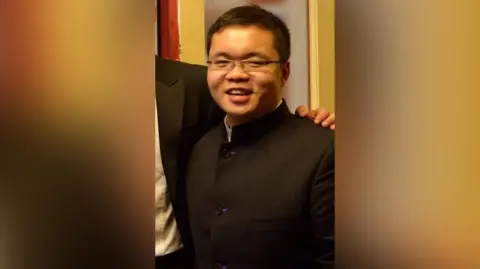
"The concept that an individual can act as a embodiment of UK identity, a person who can somehow impart the attributes of a British gentleman upon a 12-month-old child, appears naive and impractical," he commented.
"In my experience, engaging a quintessentially English tutor from babyhood will not automatically produce the result they want.
"I wasn't provided with such a figure, and nevertheless I have been lucky enough to experience many of the experiences they aspire for their son."
He added: "The reality is, self-identity cannot be imposed from the outside; it must be selected, and it must originate internally."
Purchasing UK Culture
Naturally, UK identity is something the CEO hopes can be taught – and sold.
"I think the situation that the world regards us in this regard is something that we should be cherishing|valuing|appreciating


